Field Guides & Material Takeoff Principles
In-depth technical guides explaining volumetric calculation formulas, nominal waste factors, coursing geometry, and commercial ordering practices.

How to Calculate Concrete Slab Volume and Ready-Mix Orders
Poured concrete is measured and purchased in cubic yards (in the US Customary system) or cubic meters (in Metric jurisdictions). Because site dimensions are typically recorded as length and width in feet, but slab thickness in inches, proper unit conversion is essential:
Why Subgrade Deflection Demands an Ordering Allowance
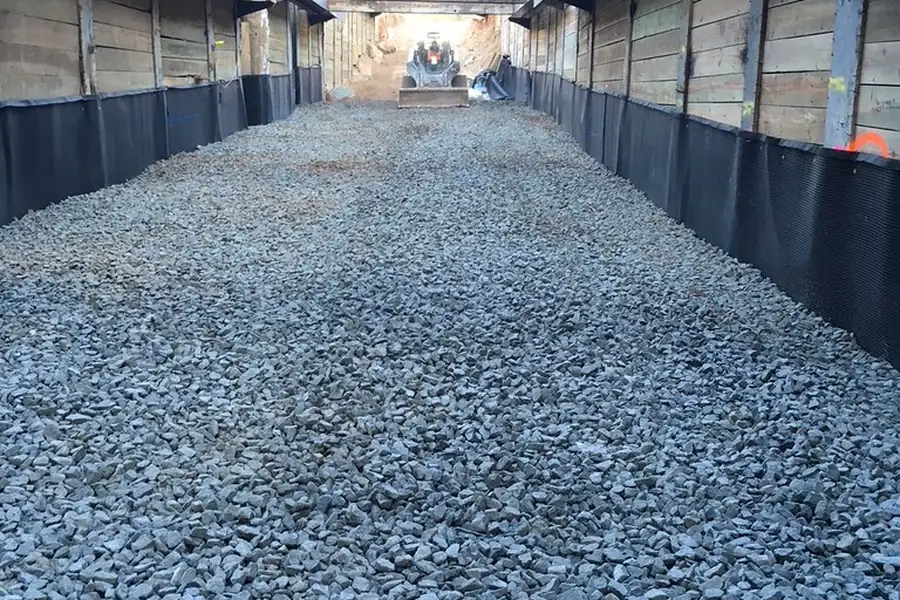
Ground excavation is rarely laser-flat. Subgrades dip, forms bow outwards under the heavy hydrostatic head of wet cement, and pump lines retain residual slurry. Ordering a customary 5% to 10% safety margin prevents cold joints, which occur when fresh concrete cannot be placed before the prior batch begins its initial set.
Brick Wall Takeoffs: Coursing Geometry and Mortar Allowances
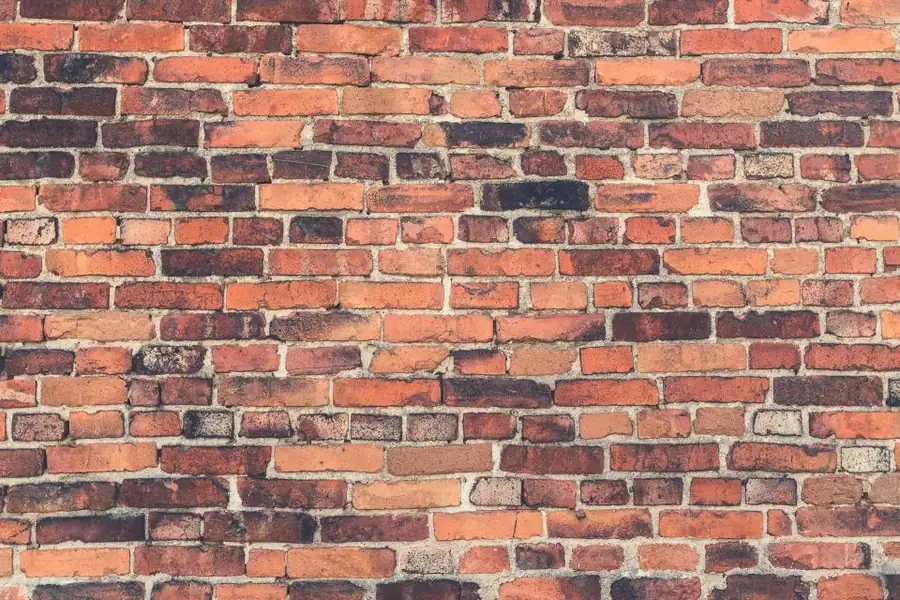
Estimating modular facing bricks requires accounting for mortar joint thickness (nominally 3/8 inch or 10 mm). Standard US modular bricks measure 7-5/8" × 2-1/4" × 3-5/8". When bed and head joints are added, the effective nominal footprint becomes 8" × 2-2/3".
This yields the classic masonry estimation factor of approximately 6.75 to 7.0 modular bricks per square foot of single-wythe wall surface. Type N masonry cement is customary for exterior veneers due to its balance of flexural bond strength and workability.
Architectural Paint Spreading Rates and Multi-Coat Takeoffs
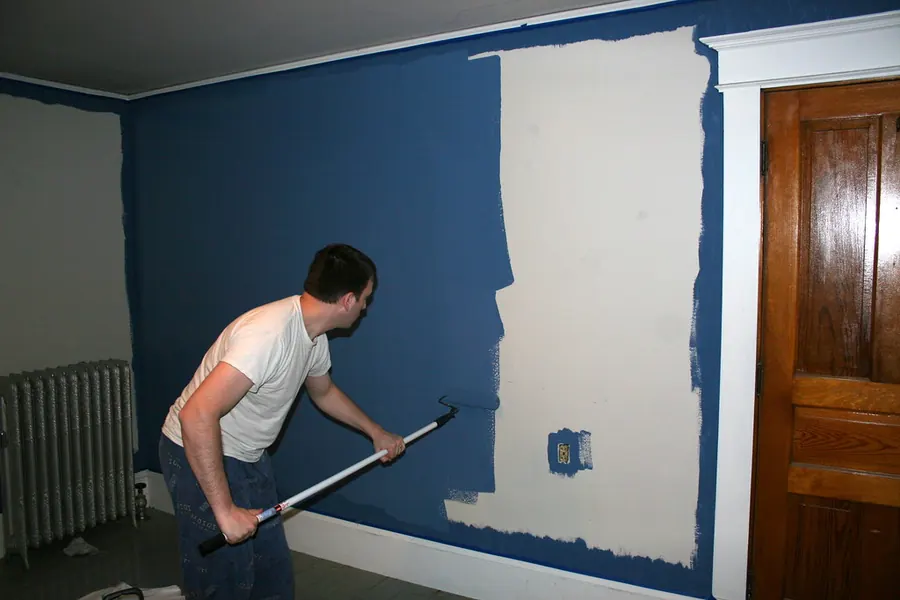
Quality architectural interior latex paints typically spread between 350 and 400 square feet per gallon on pre-primed drywall. Deducting window and door openings ensures accurate purchasing:
- Standard interior passage doors deduct approximately 21 sq ft (2.0 m²).
- Standard residential windows deduct approximately 15 sq ft (1.4 m²).
- Unprimed or textured surfaces consume 20% to 30% more paint on the first coat.